blog

K-Beauty Officially Goes Mainstream in the U.S. — Why Convenience Stores Should Be Paying Attention Today
K-Beauty Officially Goes Mainstream in the U.S. — Why Convenience Stores Should Be Paying Attention Today

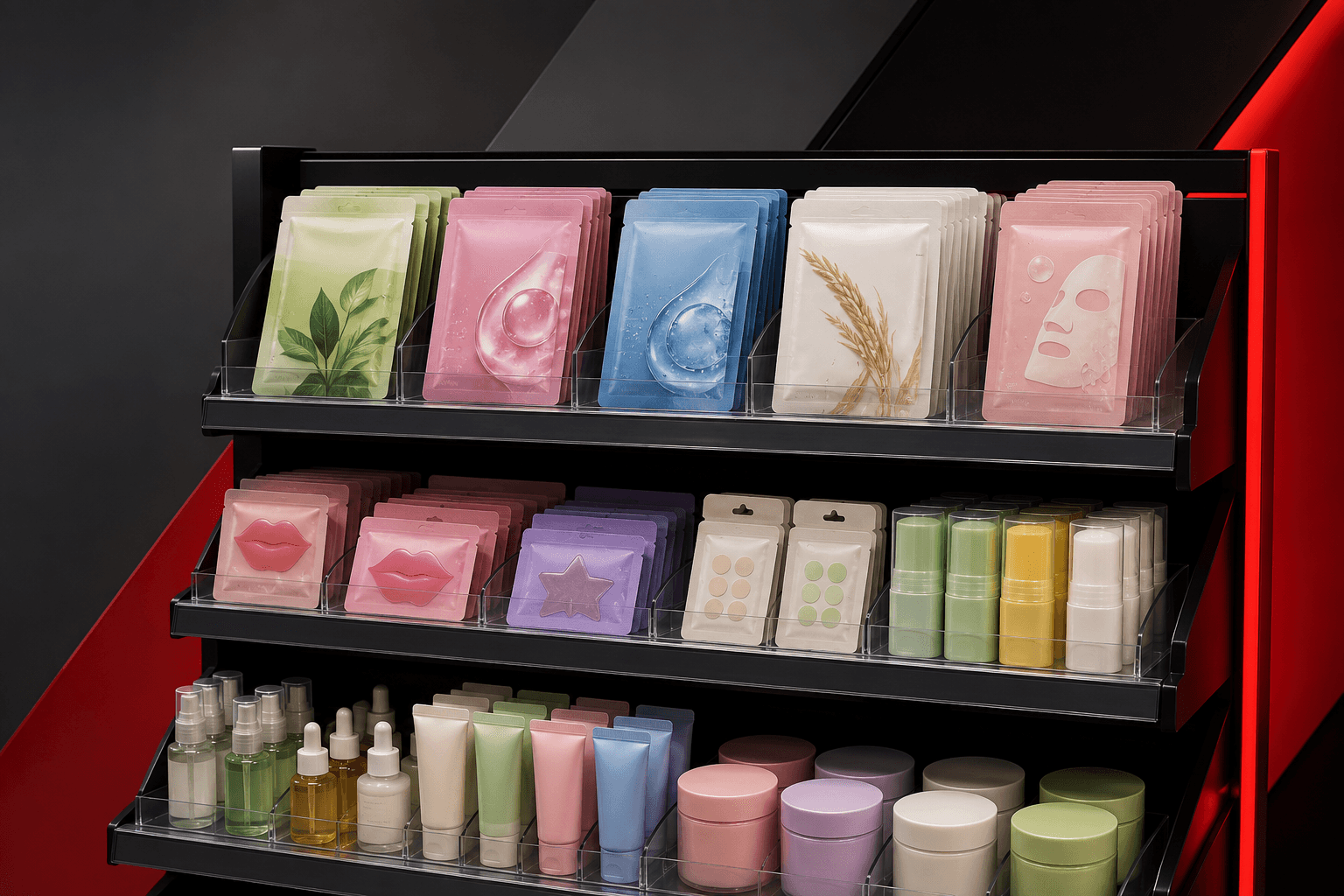
This weekend, CNBC reported that U.S. sales of Korean beauty products reached $2.8 billion in early 2026 — a roughly 48% jump from a year ago, according to NielsenIQ. What makes today's headline remarkable isn't just the size of the number. It's that the growth rate is speeding up: last year's comparable period grew about 45%, and analysts called the acceleration unusual for a category this large.
For context, the broader U.S. beauty market is growing in the single digits. K-beauty is outrunning it by a factor of five or more — and one Wall Street forecast cited in the report projects the category can hit approximately $4 billion in U.S. sales this year.
The story of the summer: Olive Young's American debut
At the center of this weekend's coverage is Olive Young, South Korea's dominant beauty retailer, which opened its first U.S. store in Pasadena, California in late May. Shoppers camped out before opening day, the line stretched multiple blocks, and roughly 6,000 customers came through on opening weekend. The store is still averaging more than 1,600 visitors per day as of this month.
Olive Young has since opened a second Los Angeles-area location at Westfield Century City, with more California stores planned before an East Coast push into New York. The company has also stood up a 39,000-square-foot distribution hub in Bloomington, California to serve North America.
The retail arms race is on — right now
The weekend's report makes clear that America's biggest retailers aren't waiting:
- Sephora has partnered with Olive Young to launch curated K-beauty zones across roughly 650 stores in the U.S. and Canada, beginning this fall.
- Target quadrupled its K-beauty assortment this spring — 150+ new products, 10+ new brands — and told CNBC more is coming.
- Ulta Beauty credited Korean brands Medicube, Peach & Lily, and Anua with driving skincare growth in its latest earnings, and analysts expect the chain to lean in further.
Industry watchers have described it as an arms race to capture Korean product demand, fueled by TikTok virality, ingredient-led formulas, affordable pricing, and the cultural gravity of K-pop and K-dramas. The U.S. is now the world's largest e-commerce market for K-beauty, having overtaken China.
Today's takeaway for convenience retail: the shelf nobody is fighting over yet
While Sephora, Ulta, Target, and Walmart battle over destination beauty shoppers, one channel is conspicuously absent from this weekend's coverage: America's 152,000+ convenience stores.
That absence is the opportunity. NACS data shows the health and beauty aids (HBA) category delivers less than 2% of in-store C-store sales — but carries an average profit margin above 52%, among the highest of any category in the store. HBA has underperformed for years not because customers don't buy beauty, but because the C-store shelf never gave them a reason to. A viral, recognizable K-beauty SKU changes that math.
The fit is strong:
- Impulse-ready formats. Sheet masks, lip masks, pimple patches, sunscreen sticks, and mini serums are sealed, sub-$15, checkout-zone products.
- Pre-sold demand. These SKUs arrive with millions of TikTok views already behind them. The marketing is done — the C-store just needs to be where the customer is at 9 p.m.
- The right shopper, already in-store. The Gen Z customers driving energy drink and alternative snack growth are the same shoppers buying K-beauty.
Can a C-store stock Olive Young products? The honest answer, as of today
Not directly — and operators should be precise here. Olive Young is a retailer/marketplace carrying roughly 400 brands and 5,000 products, and its current U.S. wholesale strategy runs through its exclusive Sephora rollout plus its own stores and online platform. There is no Olive-Young-branded C-store program today.
But the brands that made Olive Young famous are reachable right now. The playbook:
- Work through K-beauty distributors and accelerators. Firms like Landing International have already placed 1,000+ products from 200 Korean brands into Ulta, Target, and Walmart — and mass-channel distribution is widening. Ask your HBA distributor which Korean lines they carry; if the answer is none, push.
- Start with hero SKUs. Anua, COSRX, Medicube, Beauty of Joseon, Mediheal, TonyMoly, and Laneige each have one or two viral flagships. A tight 8–12 SKU set of proven bestsellers beats a broad, unfamiliar assortment.
- Merchandise it as a trend, not as HBA. A small "K-Beauty Picks" display near checkout signals discovery. Burying the products between razors and aspirin kills the effect.
- Price with discipline. A 52%-margin category only stays that way if pricing keeps pace with demand. Trend items spike and fade fast, and hand-tuning shelf tags can't keep up — this is where retail pricing software earns its keep, letting operators test price points on viral SKUs, protect margin during promotions, and react the moment a product blows up on TikTok.
- Watch the wholesale door. Olive Young has signed partnerships (including with Centric Brands) targeting thousands of new U.S. retail touchpoints, and its stated ambition is to become a global platform for Korean brands. As its California footprint and Bloomington logistics hub scale, broader wholesale access is a realistic next phase — early relationships will matter.
- Test, measure, rotate. Korean beauty moves at trend speed. Treat the set like the candy aisle: let your retail store inventory management system track sell-through weekly, keep winners, rotate in the next viral item.
Bottom line
Today's numbers settle the debate: K-beauty is not a fad cresting — it's a mainstream category still accelerating toward $4 billion, and the retailers closest to the customer are moving fastest. Convenience stores already own the two things this category needs most: proximity and impulse. The operators who put credible Korean brands at the counter first won't just add a 50%+ margin SKU — they'll give a new generation of shoppers one more reason to walk in.

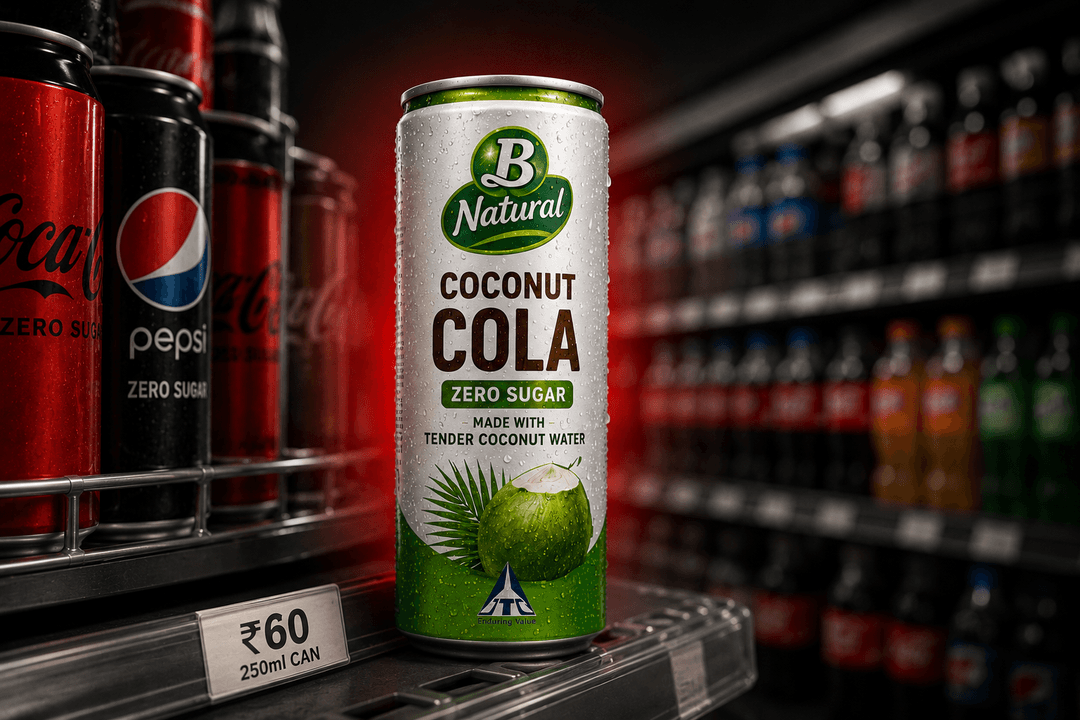
ITC's Coconut Cola Isn't Just a New Soft Drink—It's a New Retail Category. Is Your Store Ready to Measure It?
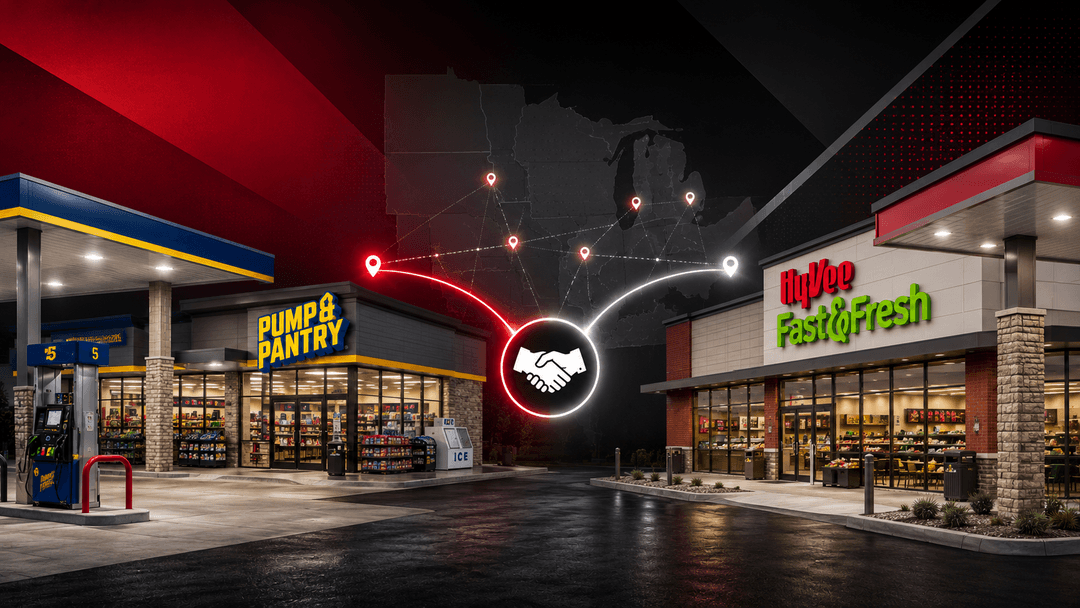
4 Key Lessons Convenience Store Operators Can Learn from Pump & Pantry’s Acquisition of 21 Hy-Vee Fast & Fresh Stores
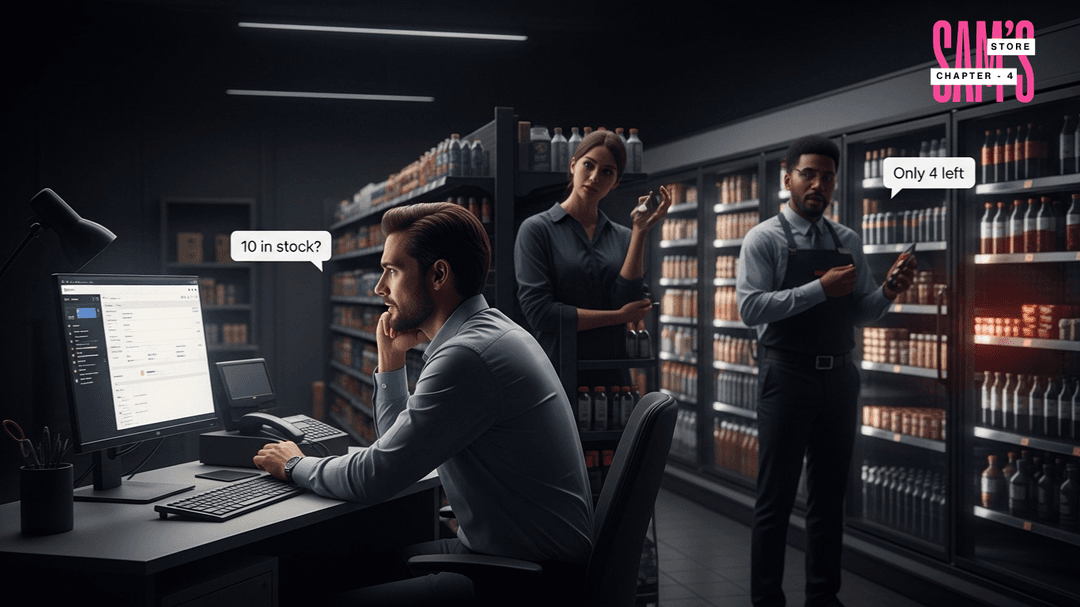
Chapter 4: Inventory Looked Accurate—But Sales Told a Different Story
Explore More

Trusted By Many
Become A Part Of It